Human Composting Explained: How Natural Organic Reduction Works
IceBurial Editorial Team
·
·
9 min read
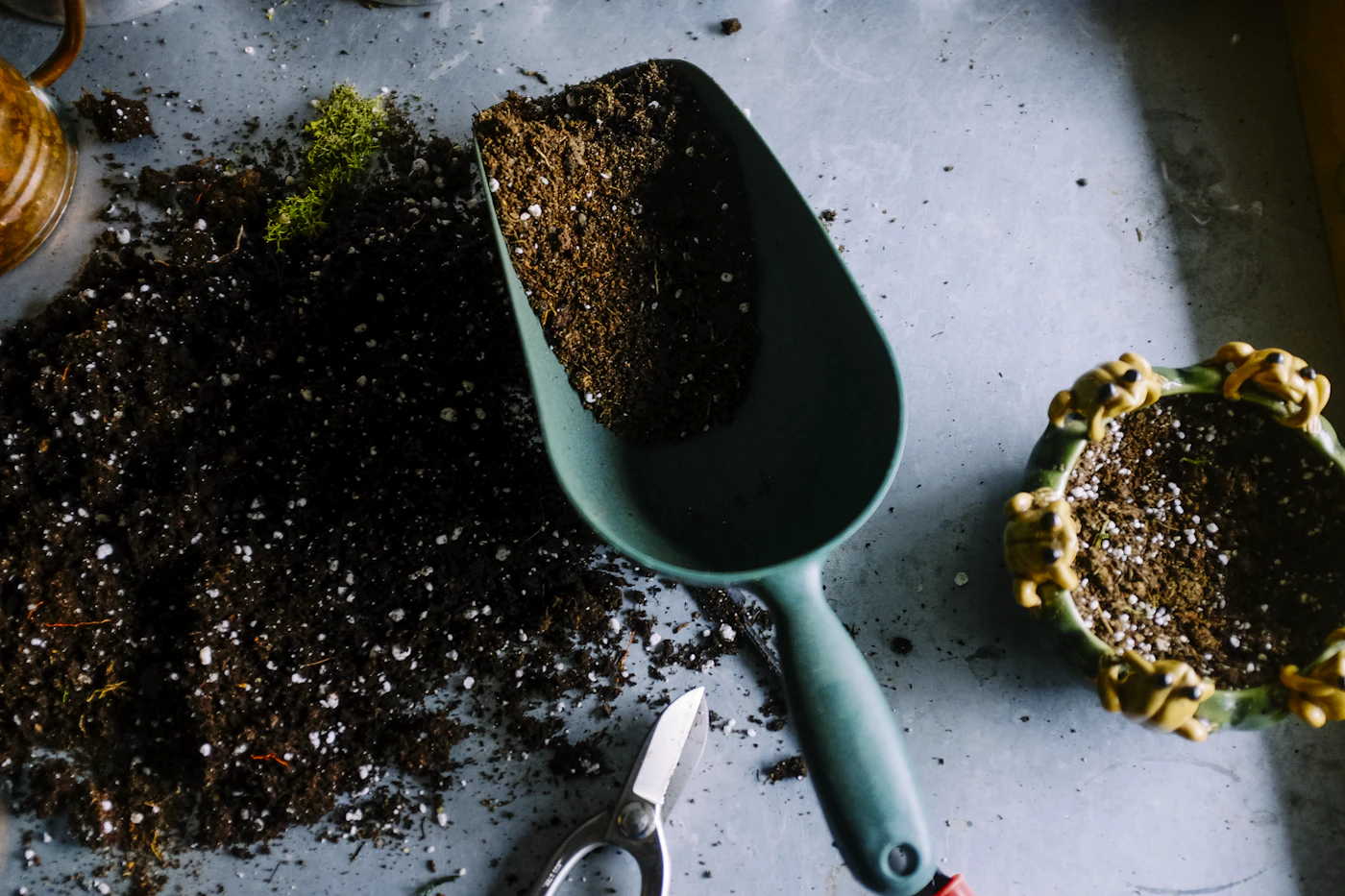
Human composting — its formal legal name is natural organic reduction, or NOR — is a body disposition method that uses controlled, accelerated decomposition to transform human remains into soil. It applies the same basic microbiology used in agricultural composting, adapted and regulated for human remains by licensed facilities operating under state law.
Washington became the first U.S. state to legalize the practice in 2019, following years of research led by Recompose founder Katrina Spade and researchers at Washington State University studying the process at pilot scale. Since then, a growing list of states has passed similar legislation, and public interest has grown quickly alongside it.
The body is placed inside a reusable vessel along with organic materials such as wood chips, straw, and alfalfa. These materials supply carbon, structure, and airflow that beneficial aerobic microbes need to break down soft tissue efficiently. Facility staff monitor and periodically adjust temperature, moisture, and oxygen levels throughout the process to keep conditions optimal.
The process generates substantial internal heat — commonly reaching temperatures sufficient to neutralize most common pathogens, similar to the heat generated during traditional agricultural composting. After the primary cycle, which generally takes several weeks, any non-organic materials such as surgical implants or pacemakers are removed. Bone fragments that remain are typically processed further so they fully integrate into the finished material during a subsequent curing period.
The full process, including curing, generally spans six to twelve weeks depending on the specific facility and technology used. At the end, families typically receive approximately one cubic yard of soil — enough to fill the bed of a standard pickup truck.
The underlying science is not new — composting organic material has been studied and practiced in agriculture for well over a century. What is new is the careful adaptation of that science specifically to human remains, including addressing questions of pathogen neutralization, heavy metal content, and appropriate curing time that pilot research programs worked through before the first state legalization.
Independent academic researchers, including soil scientists at Washington State University, contributed peer-reviewed research supporting the safety and viability of the process ahead of its first legal approval, which is part of why the regulatory process moved relatively quickly once introduced.
As of the most recent information available to us, natural organic reduction has been legalized in a growing number of U.S. states, including Washington, Colorado, Oregon, Vermont, California, New York, and others, with additional states actively considering similar legislation. Availability of licensed facilities can lag behind legal authorization, so a state permitting NOR does not always mean a local facility currently offers it. Because this is an actively evolving legal landscape, verify current status directly with your state's funeral or cemetery regulatory board before making plans.
Independent life-cycle comparisons commissioned by early providers estimate meaningfully lower carbon impact for natural organic reduction compared to conventional burial or flame cremation, primarily because the process avoids embalming chemicals, metal or concrete burial infrastructure, and the fossil-fuel energy required to reach cremation temperatures. The resulting soil can support new plant growth directly, giving the process an outcome that actively contributes to the surrounding ecosystem rather than simply minimizing harm.
Pricing varies by provider and region, but natural organic reduction is generally positioned in a similar or somewhat higher cost range than a simple green burial, and often below the full cost of traditional burial with embalming, casket, and vault. Ask any provider for an itemized breakdown before committing.
Families should confirm that a facility is properly licensed under applicable state law, ask specifically what happens to non-organic implants and materials, and clarify how much finished soil they can take home versus what may be donated to a conservation partner if the family doesn't want the full volume. It's also worth asking about the facility's specific technology and typical timeline, since these details vary between providers.
Licensed facilities operate under state regulatory oversight specifically designed to address pathogen neutralization and safety, informed by peer-reviewed research conducted ahead of the first state legalization.
Most providers advise against direct use on food crops and recommend ornamental gardens, memorial trees, or donated conservation land instead — ask your specific provider for their guidance.
No — it is legal in a growing but still limited list of states. Confirm current status with your state's regulatory authority, since this list continues to expand.